

Despite the war, thousands of people across Ukraine continue working in their communities, helping address the devastating consequences of Russia’s aggression and laying the groundwork for future development. Some have spent decades in civil society, while others became involved in community initiatives after the full-scale invasion began. These are the people who often drive change in their communities. Yet without access to resources, knowledge, and support, even the strongest ideas and recovery strategies risk remaining only on paper.
To help turn these efforts into tangible results, the International Renaissance Foundation, in partnership with East Europe Foundation and with the support of Norway (Norad) and Sweden (Sida), launched the three-year Impulse Project in 2025. The project aims to strengthen the capacity of civil society organizations in the regions most affected by the war and support communities that are already working to build their resilience and drive their own recovery.
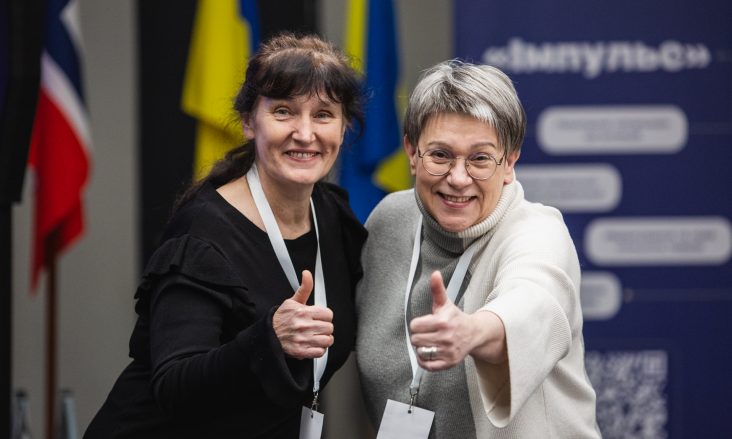
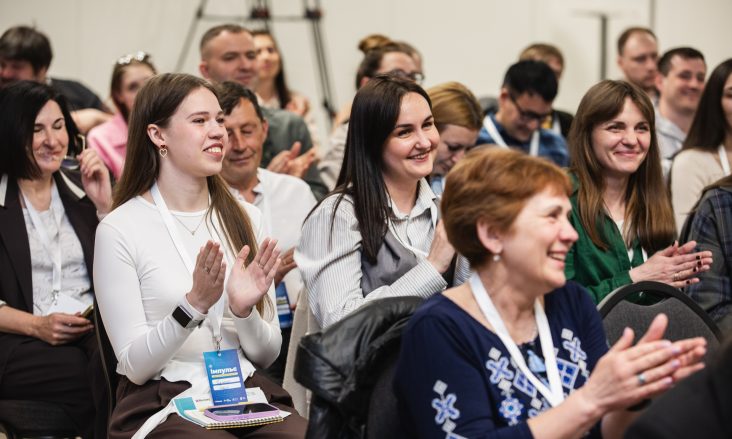
Over its first eighteen months, Impulse has supported 135 organizations across 15 regions of Ukraine, helping them implement 227 initiatives. The project combines organizational development with grant support for community recovery efforts, while also creating opportunities for learning, networking, and peer exchange. Through this approach, local organizations strengthen their capacity and expand their impact within their communities.
The project currently operates in the Dnipropetrovsk, Donetsk, Zaporizhzhia, Zhytomyr, Kyiv, Luhansk, Mykolaiv, Odesa, Sumy, Kharkiv, Kherson, Chernihiv, Kirovohrad, Cherkasy, and Poltava regions.
Impulse works where challenges are greatest, and the need for new opportunities is most urgent. The project is built on the understanding that Ukraine’s recovery cannot be driven by government institutions alone. Meaningful recovery begins in communities, with people who come together around shared solutions, define their own priorities, and take responsibility for the future of their towns and villages. By investing in local organizations and community leaders, Impulse helps communities move beyond emergency response and lay the foundations for long-term resilience, security, and sustainable development.
“The Impulse Project became possible thanks to the partnership and solidarity of Norway and Sweden with Ukraine, which provided the financial foundation for the project, as well as the expertise of two leading national foundations. Together, we brought financial resources, knowledge, partnership networks, a strong presence in communities, and a shared commitment to achieving results. This project is about synergy. Funding alone is not enough, just as experience and good ideas cannot achieve their full potential without resources. When these elements come together and are reinforced by inspiration, collaboration, and mutual support, real change becomes possible,” says Inna Pidluska, Deputy Executive Director of the International Renaissance Foundation.
Impulse: Key Areas of Work and Impact
One of the project’s core components is institutional support for civil society organizations. Through this stream, the Impulse Project has supported 29 institutional grantees, including think tanks, resource centers, and community-based organizations working directly with local communities. These experienced teams implement projects in areas such as human rights, education, civic participation, local development, veteran support, environmental sustainability, and social cohesion.
The three-year grant program combines operational funding and organizational development with training, mentoring, and networking opportunities. This approach provides organizations with stable funding while helping them strengthen internal processes, improve governance, refine their strategic planning, and build long-term resilience alongside their work in communities.
A separate component of the project focuses on young civil society organizations that have been registered for no more than two years. In 2026, the Expert Council selected 27 emerging CSOs to receive one year of institutional support, training, and mentoring designed to strengthen their organizational capacity and support their further development.
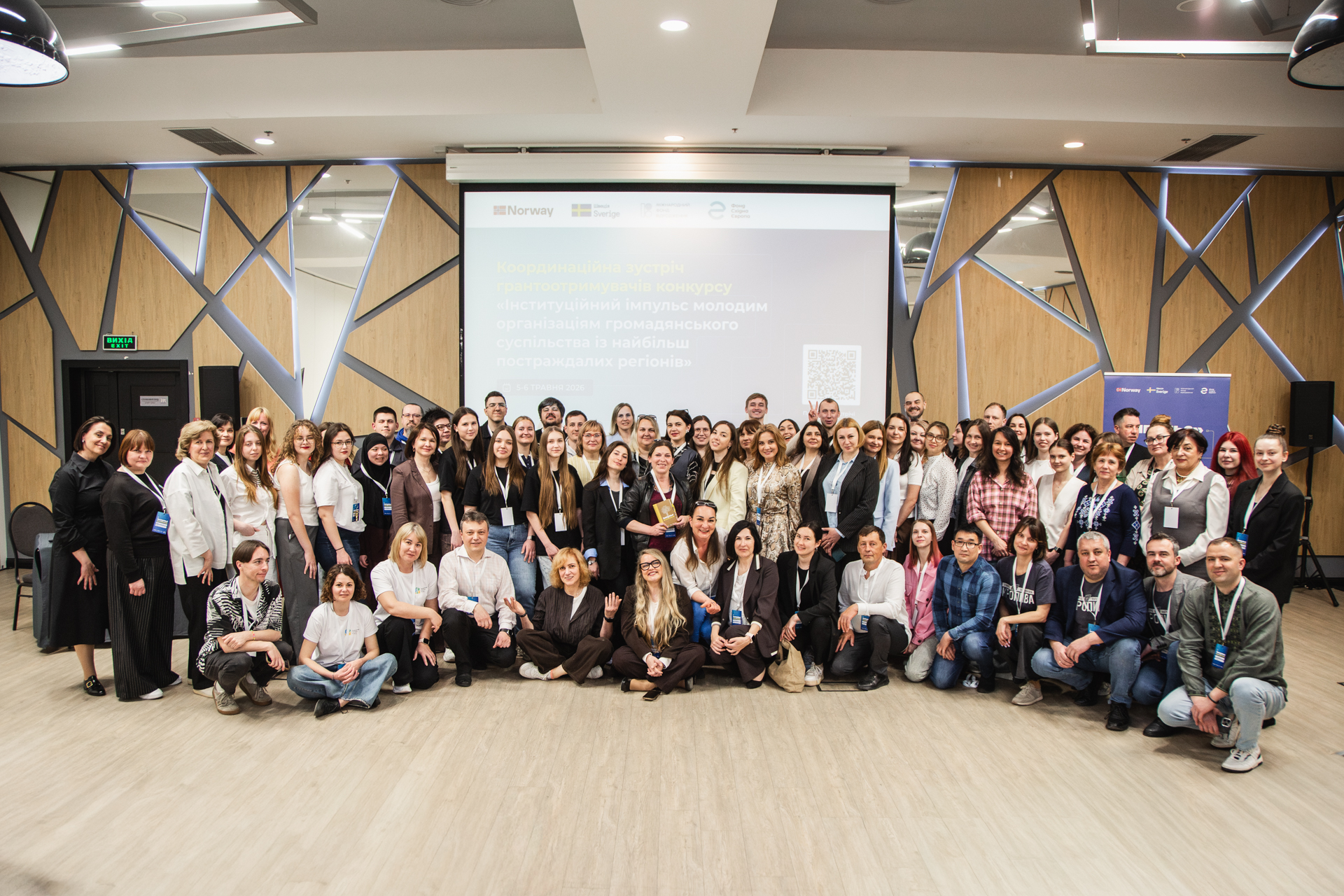
At the same time, the project supports local initiatives through its Small Grants Competitions. Grants of up to UAH 1.5 million are awarded for projects lasting up to 12 months, enabling organizations to implement early recovery initiatives, engage residents in addressing local challenges, and test new approaches to community development. In addition to funding, thematic grantees gain access to Impulse’s training programs, mentoring opportunities, and professional networks.
Small Grants Competition winners:
Supported projects address a wide range of issues, including civic participation, community safety, urban development, environmental protection and waste management, energy efficiency, healthcare, support for internally displaced people, military families, veterans, and many others. What unites these initiatives is a people-centered approach to recovery. They focus on people’s needs, safety, well-being, and their ability to influence decisions that shape the future of their communities.
The fifth wave of the Small Grants Competition is currently open, with applications accepted until August 27. The new cohort of participants will receive grant funding and gain access to the project’s training programs, partnership networks, and other professional development opportunities.
“We are looking for projects with a long-term vision and strong growth potential. It is important to us that their impact extends beyond the final report and creates a foundation for future work. We want to see new practices, partnerships, communities, and solutions that can grow, be replicated, and become part of broader local, regional, or national processes. We are particularly interested in initiatives that offer a systemic and inclusive approach rooted in the real needs of people,” says Inna Pidluska.
Another important component of the Impulse Project is the development of social entrepreneurship. Through the project, three Social Entrepreneurship Schools help teams from the target regions transform socially valuable ideas into sustainable initiatives and viable business models. Participants receive training, work with mentors, and develop business plans for projects that combine social impact with financial sustainability. A total of 71 teams have completed the program, and participants subsequently submitted 53 grant applications to support the development of their social enterprises.
How Impulse Strengthens Organizations
The organizational development component of the project is led by East Europe Foundation, which helps participating organizations strengthen their capacity and improve internal processes.
As part of this support, organizations undergo an Organizational Capacity Assessment (OCA) and a System-Based Audit (SBA), receiving tailored recommendations and mentoring to address identified needs. Since the project began, these assessments have been completed by 29 institutional grantees and 60 small-grant recipients. The process is currently underway for an additional 27 organizations.
Learning and professional development are also central to the project’s approach. Participants have access to networking events, consultations, and training sessions covering financial management, strategic planning, risk management, communications, advocacy, human resources, anti-corruption policies, and other areas essential for sustainable organizational growth. During the first eighteen months of the project, the team delivered 26 online training sessions, 10 in-person events, and two large networking gatherings.
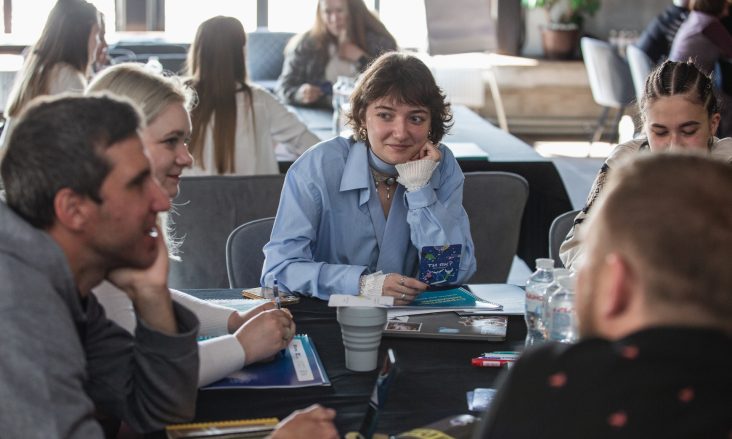
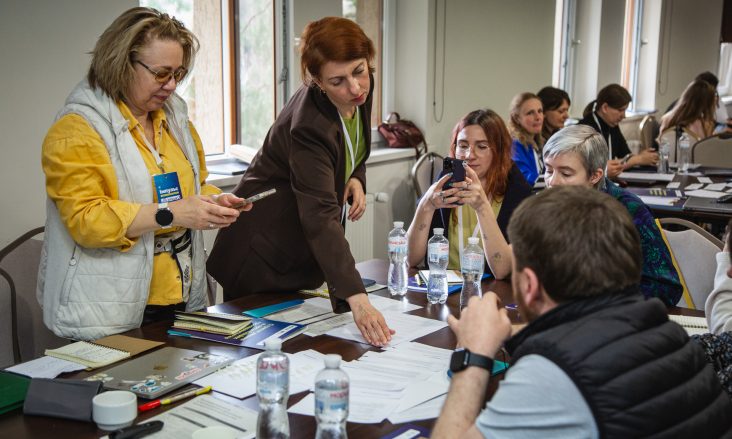
“It is important to us that grantees gain more than knowledge and practical tools during our in-person events. We also want to give them a chance to recharge. Most of them are working under extremely difficult circumstances, supporting communities, responding to the challenges of war, and carrying significant responsibilities. That is why we try to hold these events in peaceful natural settings, where participants can combine learning with meaningful rest,” says Olha Moloko, Humanitarian Aid and Recovery Cluster Lead at East Europe Foundation.
Some of the project’s learning resources are available to the broader public through the Rozumilo! online learning platform. As part of Impulse, three online courses have already been developed:
- Financial Management and Strategic HR for CSOs — a course on building transparent financial systems and effective HR strategies to support a stable and sustainable organization.
- Management That Delivers Results — a course introducing Results-Based Management, project planning, performance indicators, and approaches focused on achieving meaningful change.
- Content in the Frame: Creating Videos for Social Media — a practical course covering the entire video production process, from idea development and preparation to filming, editing, and publishing.
Additional courses on risk management and organizational development will be launched in the near future.
Research on the state of civil society has also become an important part of the project. The Foundation conducts an annual comprehensive assessment of CSO capacity, participation in recovery processes, and development needs. In 2025, East Europe Foundation carried out the first study of this kind, titled Level of Sustainability and Engagement of CSOs in the Processes of Recovery and Reconstruction of Territorial Communities. The full report is available on the Foundation’s website in both Ukrainian and English.
Annual studies conducted within the framework of the Impulse Project will make it possible to track changes in the civil society sector over time and ensure that future support is informed by evidence and emerging needs.
The Impulse Community of Change
The first recipients of the Small Grants Competition have already completed their projects. Across the Chernihiv, Kharkiv, Kherson, and other war-affected regions, organizations worked to engage residents in recovery efforts, support veterans, strengthen civic participation, promote inclusion, and improve local safety.
In the Kyiinka community in Chernihiv Oblast, residents took part in identifying recovery and security priorities in the aftermath of war-related destruction and developed a roadmap for future action. In Kherson Oblast, civil society organizations engaged community members in discussions about the challenges and risks they face during the recovery process. Other teams assessed the needs of relocated communities, developed solutions for managing war-related waste, worked to improve the accessibility of public spaces, and strengthened cooperation between residents and local authorities.
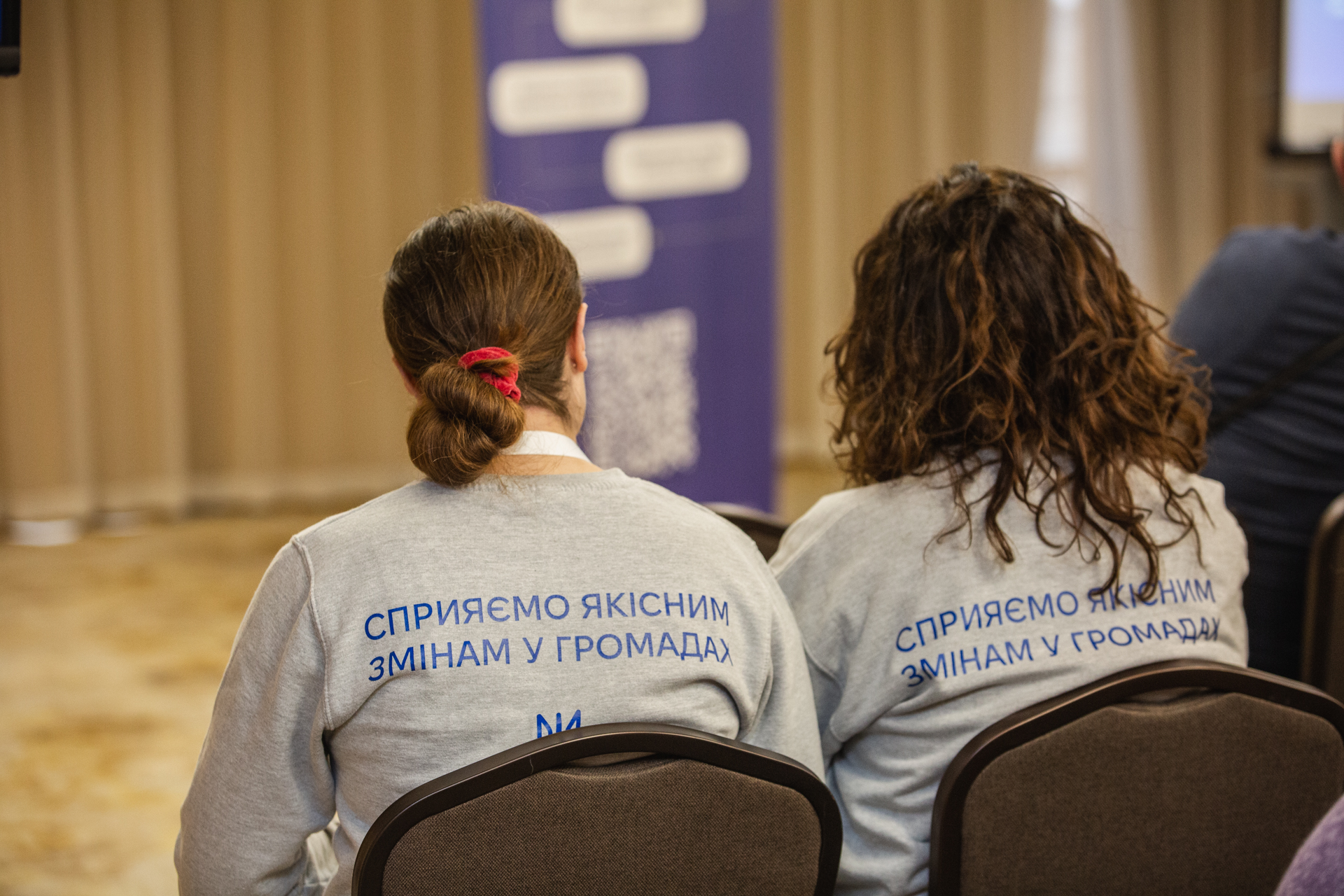
“Whenever we meet with our partner organizations, what stands out most are the tangible changes and lessons that emerge from their work. When a community comes together, sometimes for the first time, to discuss recovery priorities and opportunities for joint action, difficult issues begin to move forward. When a team launches the first centralized composting pilot in a small community, what may seem like a technical initiative becomes something much bigger: a shift in mindset and culture. And when people stop seeing barriers between themselves and others, they discover that there are hundreds of equally committed individuals across Ukraine who want to work together. Impulse is about overcoming systemic barriers by sharing experience and demonstrating practical solutions,” says Inna Pidluska.
Some of the projects have already become the foundation for new partnerships and continued work beyond the grant period.
Impulse stories and lessons learned:
- The First Thematic Grantees of Impulse Reflect on Their Projects: Key Lessons and Insights for Early Recovery Practitioners
- Impulse Cases: Five Challenges and Five Solutions for Communities Seeking Answers
- Case Study: Resilience Practices in Southeastern Regions of Ukraine
- One Year of Impulse: A Highly Subjective and Moderately Emotional Reflection from the Project Team
Additional opportunities for Impulse participants included an internship program and winter support grants. These initiatives helped organizations prepare for difficult winter seasons, strengthen their energy resilience, ensure continuity of operations, and establish inclusive community hubs.
At the same time, Impulse has become a platform for peer learning and exchange among organizations from different regions of Ukraine. One of the project’s key spaces for dialogue is the Resilience Conference series, which brings together representatives of civil society, local governments, businesses, international partners, and communities to discuss recovery and development challenges and opportunities.
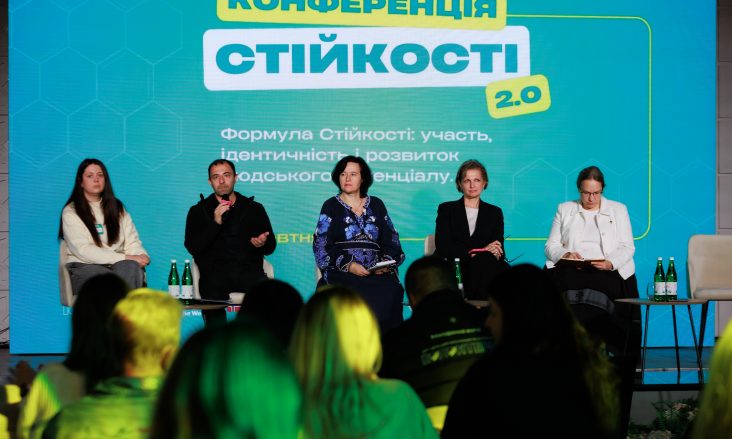
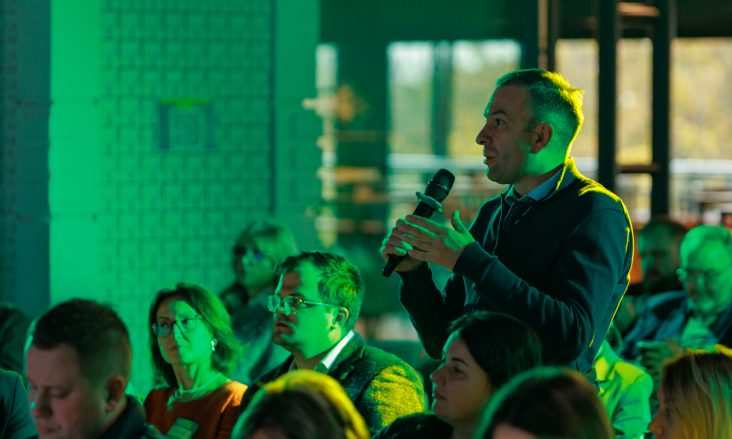
As part of the project, a national Resilience Conference was held in Kyiv, alongside seven regional conferences focused on Donetsk, Luhansk, Sumy, Chernihiv, and Southern Ukraine. For many participants, these events provided an opportunity to showcase their own recovery experiences, connect with potential partners, discuss shared challenges, and learn from solutions already being implemented in other communities.
By combining community-based initiatives, organizational development, and partnership-building, Impulse creates the conditions for ideas about resilience and recovery to be translated into practical solutions, local initiatives, and lasting change. These efforts are taking shape in communities and regions across Ukraine, helping lay the groundwork for broader recovery processes and a better future for people throughout the country.
Impulse Project in the Media
- The Quiet Epidemic Almost No One Noticed | An investigative feature by Ukrainska Pravda on the work of Impulse grantee Mission Kharkiv
- From Ruins to Smart City: How Bucha and Irpin Are Planning Their Future Three Years After the Occupation | A feature by NV on the work of Impulse grantee ISDC
- Helping Communities Stay Strong: How a Civic Activist Supports Communities in Kherson Oblast | A feature by ShoTamon the work of Impulse grantee Obiednannia (Association)
- Humanity Is Already Half the Help: How a Charity from Zaporizhzhia Is Transforming the Veteran Experience Through a Grant | A feature by ShoTam on the work of Rubikon Voli
- More Than 50,000 Ukrainians United for Recovery: How Dobrobat Turned Volunteering into a System | A feature by ShoTam on the work of Dobrobat
- Solar Energy as a Lifeline: A Community in Chernihiv Oblast Restores Access to Electricity After Occupation Thanks to a Grant | A feature by ShoTam on the work of Ukraine Support Team



Spelling error report
The following text will be sent to our editors: